Skip to content

How the Other Half Lives

Jacob Riis was one of the very few men who photographed the slums of New York at the turn of the twentieth century, when as many as 300,000 people per square mile were crowded into the tenements of New York's Lower East Side. The filth and degradation made the area a hell for the immigrants forced to live there. Riis was one of those immigrants, and, after years of abject poverty, when he became a police reporter for the New York Tribune, he exposed the shameful conditions of life with which he

$24.99

In stock

SKU
220125
Primary category
History and Heritage
Jacob Riis was one of the very few men who photographed the slums of New York at the turn of the twentieth century, when as many as 300,000 people per square mile were crowded into the tenements of New York's Lower East Side. The filth and degradation made the area a hell for the immigrants forced to live there. Riis was one of those immigrants, and, after years of abject poverty, when he became a police reporter for the New York Tribune, he exposed the shameful conditions of life with which he was all too familiar. Today, he is best remembered as a compassionate and effective reformer and as a pioneer photo-journalist. In How the Other Half Lives, New Yorkers read with horror that three-quarters of the residents of their city were housed in tenements and that in those tenements rents were substantially higher than in better sections of the city. In his book Riis gave a full and detailed picture of what life in those slums was like, how the slums were created, how and why they remained as they were, who was forced to live there, and offered suggestions for easing the lot of the poor. Riis originally documented all his studies with photographs. However, since the half-tone technique of photo reproduction had not been perfected, the original edition included mainly reductions in sketch-form of Riis' photographs. These could not begin to capture what Riis' sensitive camera caught on film. The anguish and the apathy, the toughness and the humiliation of the anonymous faces is all but obliterated in the sketches. This Dover edition includes fully 100 photographs, many famous, and many less familiar, from the Riis collection of the City Museum, and their inclusion here creates a closer conformity to Riis' intentions than did the original edition.
256 pages paperback.
Reprint of the 1901 edition.

Danish Windmill · A shop with a story

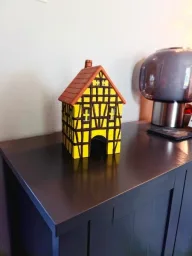
Sarah rader painted

Warm and Cozy

“Shopping at the windmill is always an adventure! I always know I'm going to find more than what I came for and their selection is always fresh with new items to bring home. They always have this ability to bring coziness and warmth into my home. I bought this ceramic house and had so much fun painting it. Now it glows in my living room every night! ”

— Sarah S. | Harlan, IA
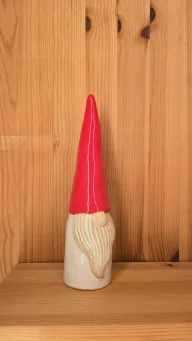
Generic gnome

Mange Tak

“I love the hospitality of hygge you feel upon entering the Danish Windmill! A friendly staff, a thorough tour of the inner-workings of the windmill itself, and a shopping experience that has both traditional and modern Danish offerings — the Windmill appeals to all ages, and will have you saying, “Mange tak!” ”

— Mary P. | Kansas City, MO

Continue your purchase

220125

How the Other Half Lives

Jacob Riis was one of the very few men who photographed the slums of New York at the turn of the twentieth century, when as many as 300,000 people per square mile were crowded into the tenements of New York's Lower East Side. The filth and degradation made the area a hell for the immigrants forced to live there. Riis was one of those immigrants, and, after years of abject poverty, when he became a police reporter for the New York Tribune, he exposed the shameful conditions of life with which he

Choose quantity and add to cart

Continue browsing

93232460

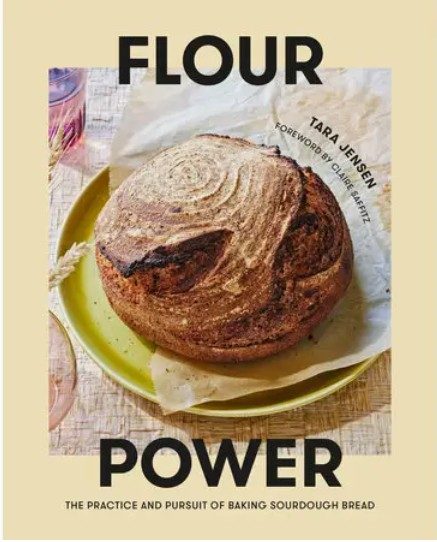
Flour Power

Teacher and baker Tara Jensen introduces new and experienced bakers to approachable techniques and recipes for making sourdough, rye, and desem (hearty wheat) bread. Flour Power is divided into two parts: the workshop and the recipes. In the workshop, bakers learn all about flour and how to build strength in dough by hand, read a bread formula, and troubleshoot sluggish starters and unruly doughs. The recipes section is divided into chapters by flour and bread type. There’s a chapter on sourdoug

$35.00

View
11804720

A Year of Embroidery

Yumiko's unique aesthetic comes through in these 38 stunning embroidery designs. In the style of Scandinavian design by way of Japan, these colorful and detailed designs follow the course of a year, with imagery inspired by each month. From snow flowers and skiing bears in January to lily of the valley in May, a collection of seed pods in October, and trumpeting angels in December. Each of the embroidery projects here are fairly large and detailed, making them more appropriate as hanging art tha

$21.95

View
POP141

The Little Winter Book of Gnomes

A cozy book of gnomes (and gnomes), just in time for the holidays Similar to the Norwegian nisser Kirsten grew up hearing about, gnomes have always fascinated her. When she realized that a “gnome” was also another word for a proverb, Kirsten brought the two together. The result is a charming collection of Scandinavian wisdom accented by whimsical illustrations. There are gnome women chopping wood (“chop your own wood and it will warm you twice”), men surreptitiously knitting (“two balls of yarn

$13.95

View